
Cells for 210 or 182.
2021-11-19
The industry is divided on the size of large silicon wafers and large batteries.
Longi proposed 166 in mid-2019 and thought it was optimal at the time;
Central proposed 210 in the first place.
In the first half of 2020, discussions on 18X began to increase -- silicon chip and battery companies found through technological exploration that the single crystal pulled-rod furnace, tubular PECVD and other equipment can meet the maximum size of 18X after modification.
Based on the original equipment, the optimal size is not 166, but 182.
Finally, in June 2020, there was the 182 size standard and the M10 camp.
Companies in the M10 camp include: Longji, Jinko, JA, Artes, Runyang, Lu 'an and Zhongyu.
Among them, the leading enterprises in the M10 camp all have relatively large capacity of silicon wafer in stock.
This is arguably the most important reason for M10 enterprises to choose size 182 -- to avoid a significant impairment of existing assets.
In the 210 group, zhonghuan, TRW and Dongfang Risheng are the first to join. TRW and Dongfang Risheng have almost no historical burden on silicon wafers, and are naturally willing to implement the "large size" strategy of the whole industry through the size that cannot be realized by the storage chip manufacturers.
With the passage of time, tongwei, Asahi and other professional battery enterprises have gradually joined this camp.
The motivation for Tongwei and Asu to join the 210 camp lies in that longji's large-scale expansion in the battery will completely overturn the position of Tongwei and Asu in the battery. Therefore, rather than joining longji's 182 camp and being subject to Longji's voice in the silicon chip, it is better to carry out "anti-subversion" against the disruptors.
Therefore, in July 2020, the 210 camp first emerged in the form of "600W+" alliance (" 600W+ "and the 210 Camp are not completely the same concept). Finally, in November 2020, the joint Initiative on Promoting the Standardization of size of 210mm Silicon Wafers and Modules in photovoltaic Industry clarified its main members:
TRW, Oriental Risheng, ARtesian, Huansheng, Tongwei, Runyang, Zhonghuan, CNC.
It should be noted that there is an obvious difference between the 182 camp and the 210 camp: the main participants in the 182 camp (Longji, Jinko and JA) are all integrated, while the 210 camp is non-integrated, and there are even large specialized companies in every link of silicon chip and battery.
This will lead to a more "market-oriented" product price for each link in camp 210, while the price of the intermediate link (silicon chip and battery chip) in camp 182 May be "distorted".
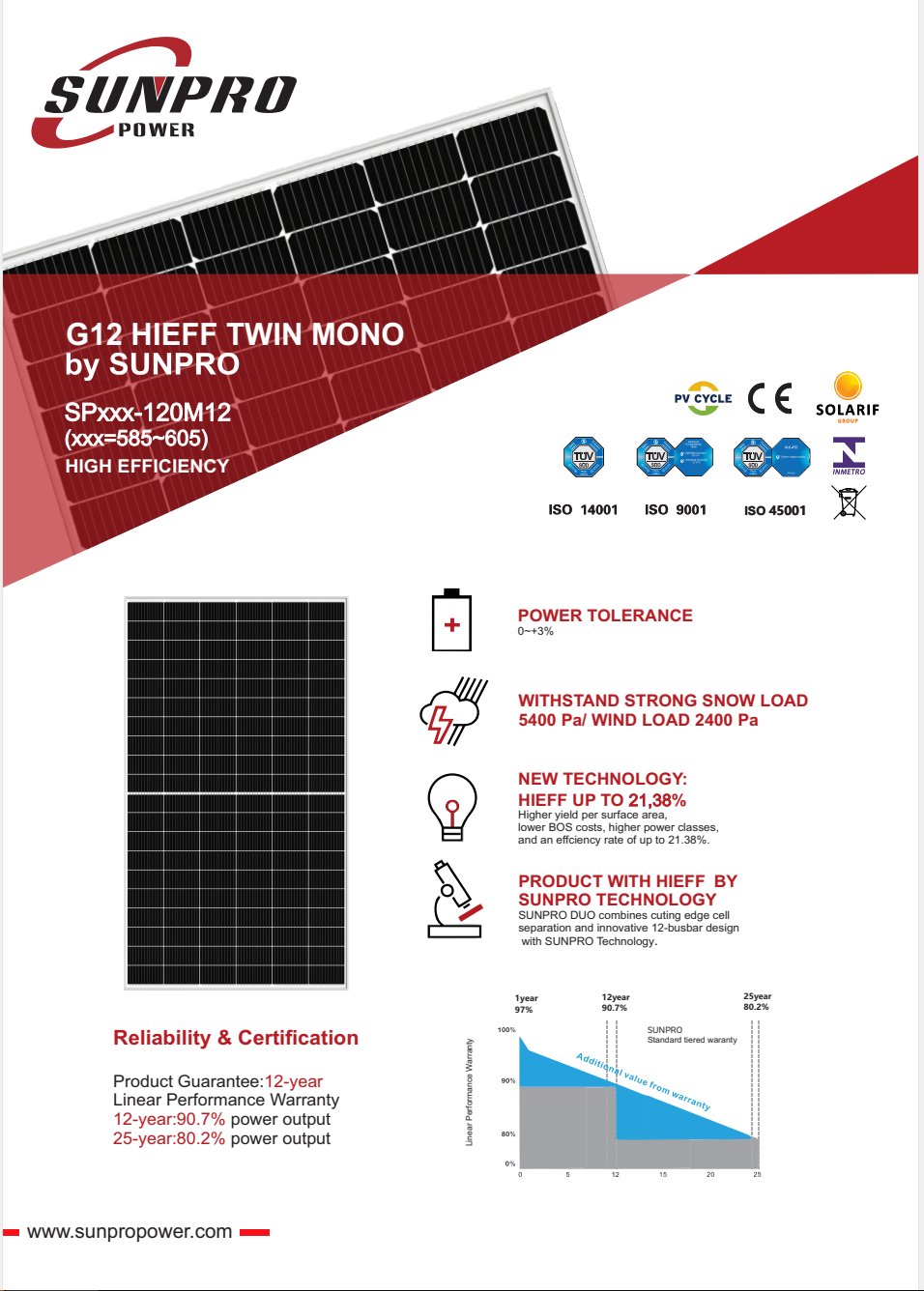
Specific cases are 540W and 670W
Pallet 40HQ 20Pallet totally: 334800W
Pallet 40HQ 18Pallet totally: 373860W
670 w More than 11.7%
2. Relative to installation: support decreased by 15%, support pile decreased by 17%, cable decreased by 11%, installation decreased by 71%
However, the installation difficulty will increase from 27.2kg to 33.9kg.
There is no fundamental difference between 182 and 210 in terms of cost performance.
According to the calculation of SOLARZOOM New energy think tank, under the premise of an appropriate premium in product price, similar yield, and no calculation of unreasonable BOS link redundancy utilization, the excess profit of component 210 is about 1-2 cents /W compared with that of component 182.
210 There are no problems in security and reliability from silicon chip to component. At the beginning, there may be some problems, but now they have been basically solved.
But that's not why Lonki didn't choose 210 chips.
Longji is the leader of the whole photovoltaic industry, and has invested heavily to purchase 166 silicon wafer production equipment. If it admits that 210 silicon wafer is superior to 166 silicon wafer, then the sales of 166 silicon wafer will become a problem. After all, the leader is still very influential.
As a result, 166 silicon chips could not be sold, and the equipment originally bought became scrap iron. Longji could not bear the loss.
However, Longi is not completely without strength against 210, 166 equipment can not produce 210 silicon, but through transformation can produce 182 silicon, 182 silicon is stronger than 166 silicon, stacking integration advantages of longi, but also against 210.
Renovation costs money, but it's better than scrapping it all.
After all, the 182 is just a transition from 166 to 210, and it's only a matter of time before longi switches to 210.
But the specific time is not known, if it is ten years later, 166 equipment has also reached the natural scrap cycle, it can naturally turn to 210 silicon chip without damage.
Longi has always claimed that 182 is the optimal size, but from the new equipment, longi has the capacity to produce 210 silicon wafers.
Therefore, 210 silicon chips may be a new market segmentation pattern in the future.
Longi proposed 166 in mid-2019 and thought it was optimal at the time;
Central proposed 210 in the first place.
In the first half of 2020, discussions on 18X began to increase -- silicon chip and battery companies found through technological exploration that the single crystal pulled-rod furnace, tubular PECVD and other equipment can meet the maximum size of 18X after modification.
Based on the original equipment, the optimal size is not 166, but 182.
Finally, in June 2020, there was the 182 size standard and the M10 camp.
Companies in the M10 camp include: Longji, Jinko, JA, Artes, Runyang, Lu 'an and Zhongyu.
Among them, the leading enterprises in the M10 camp all have relatively large capacity of silicon wafer in stock.
This is arguably the most important reason for M10 enterprises to choose size 182 -- to avoid a significant impairment of existing assets.
In the 210 group, zhonghuan, TRW and Dongfang Risheng are the first to join. TRW and Dongfang Risheng have almost no historical burden on silicon wafers, and are naturally willing to implement the "large size" strategy of the whole industry through the size that cannot be realized by the storage chip manufacturers.
With the passage of time, tongwei, Asahi and other professional battery enterprises have gradually joined this camp.
The motivation for Tongwei and Asu to join the 210 camp lies in that longji's large-scale expansion in the battery will completely overturn the position of Tongwei and Asu in the battery. Therefore, rather than joining longji's 182 camp and being subject to Longji's voice in the silicon chip, it is better to carry out "anti-subversion" against the disruptors.
Therefore, in July 2020, the 210 camp first emerged in the form of "600W+" alliance (" 600W+ "and the 210 Camp are not completely the same concept). Finally, in November 2020, the joint Initiative on Promoting the Standardization of size of 210mm Silicon Wafers and Modules in photovoltaic Industry clarified its main members:
TRW, Oriental Risheng, ARtesian, Huansheng, Tongwei, Runyang, Zhonghuan, CNC.
It should be noted that there is an obvious difference between the 182 camp and the 210 camp: the main participants in the 182 camp (Longji, Jinko and JA) are all integrated, while the 210 camp is non-integrated, and there are even large specialized companies in every link of silicon chip and battery.
This will lead to a more "market-oriented" product price for each link in camp 210, while the price of the intermediate link (silicon chip and battery chip) in camp 182 May be "distorted".
Specific cases are 540W and 670W
Pallet 40HQ 20Pallet totally: 334800W
Pallet 40HQ 18Pallet totally: 373860W
670 w More than 11.7%
2. Relative to installation: support decreased by 15%, support pile decreased by 17%, cable decreased by 11%, installation decreased by 71%
However, the installation difficulty will increase from 27.2kg to 33.9kg.
There is no fundamental difference between 182 and 210 in terms of cost performance.
According to the calculation of SOLARZOOM New energy think tank, under the premise of an appropriate premium in product price, similar yield, and no calculation of unreasonable BOS link redundancy utilization, the excess profit of component 210 is about 1-2 cents /W compared with that of component 182.
210 There are no problems in security and reliability from silicon chip to component. At the beginning, there may be some problems, but now they have been basically solved.
But that's not why Lonki didn't choose 210 chips.
Longji is the leader of the whole photovoltaic industry, and has invested heavily to purchase 166 silicon wafer production equipment. If it admits that 210 silicon wafer is superior to 166 silicon wafer, then the sales of 166 silicon wafer will become a problem. After all, the leader is still very influential.
As a result, 166 silicon chips could not be sold, and the equipment originally bought became scrap iron. Longji could not bear the loss.
However, Longi is not completely without strength against 210, 166 equipment can not produce 210 silicon, but through transformation can produce 182 silicon, 182 silicon is stronger than 166 silicon, stacking integration advantages of longi, but also against 210.
Renovation costs money, but it's better than scrapping it all.
After all, the 182 is just a transition from 166 to 210, and it's only a matter of time before longi switches to 210.
But the specific time is not known, if it is ten years later, 166 equipment has also reached the natural scrap cycle, it can naturally turn to 210 silicon chip without damage.
Longi has always claimed that 182 is the optimal size, but from the new equipment, longi has the capacity to produce 210 silicon wafers.
Therefore, 210 silicon chips may be a new market segmentation pattern in the future.
 Radiant Gathering in São Paulo | Sunpro Power Showcases at Intersolar South America 2026
  Re‑elected Consecutively! Sunpro Power Reappears on BNEF Tier 1 List for Q3
  Sunpro Power’s PV Modules Earn Authoritative Certifications From TÜV SÜD, Robust Quality Fuels Global Market Expansion
 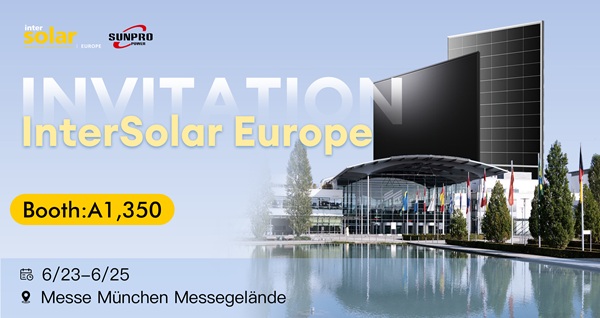 Shine Bright in Munich! Sunpro Power Showcases High-Efficiency Modules at Intersolar Europe 2026
  TÜV SÜD and Sunpro Power Sign ESG Strategic Cooperation Agreement to Empower Green Industrial & R&D Upgrading
  Powerful Lineup Debuts in Shanghai! Sunpro Power’s High-Efficiency Modules Shine at SNEC 2026
 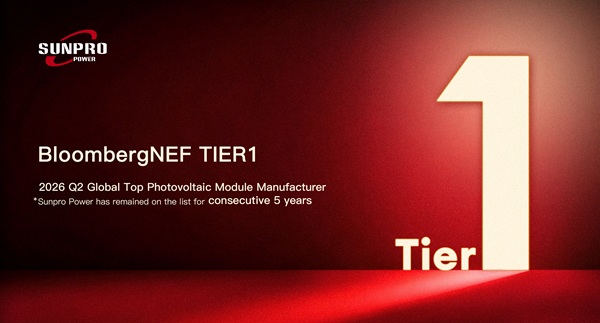 Sunpro Power Secures Spot Again on BNEF Tier 1 List for 2026 Q2
  Hardcore Lineup Lands in Manila! Sunpro Power High-Efficiency Modules Shine at Solar & Storage Live Philippines 2026
  Hardcore Certification! Sunpro Passes TÜV Thresher Test, Reliability Receives Endorsement
  Smart Energy in Vienna! SUNPRO POWER Presents High-Efficiency Modules at Solar Solutions 2026
  Green Energy Crosses Borders! SUNPRO POWER’s High-Efficiency Modules Shine at RE+ México 2026
 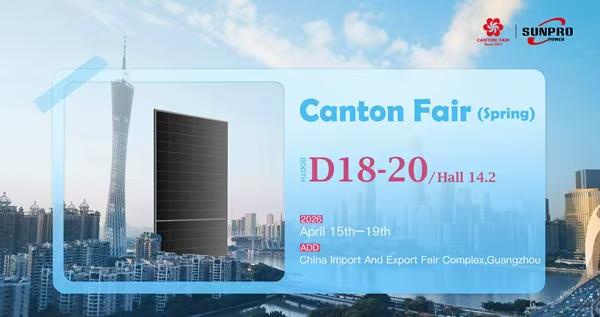 Hardcore Lineup Shines in Guangzhou! SUNPRO POWER’s High-Efficiency Modules Debut at the 139th Canton Fair
  Sunpro Earns Multiple ISO Certifications, Forging a Solid Foundation for Development with Rigorous Management
  Efficiency and Aesthetics in One: SUNPRO POWER's High-Efficiency Modules Shine at Key Energy 2026 Italy
  Major Certification! Multiple Sunpro TOPCon Modules Awarded France's PPE2 Carbon Footprint Certification, Unlocking the Green Pass to the French Market
  2026 Tier1 Q1 Ranking Announced | Sunpro Power Maintains Its Leading Position
 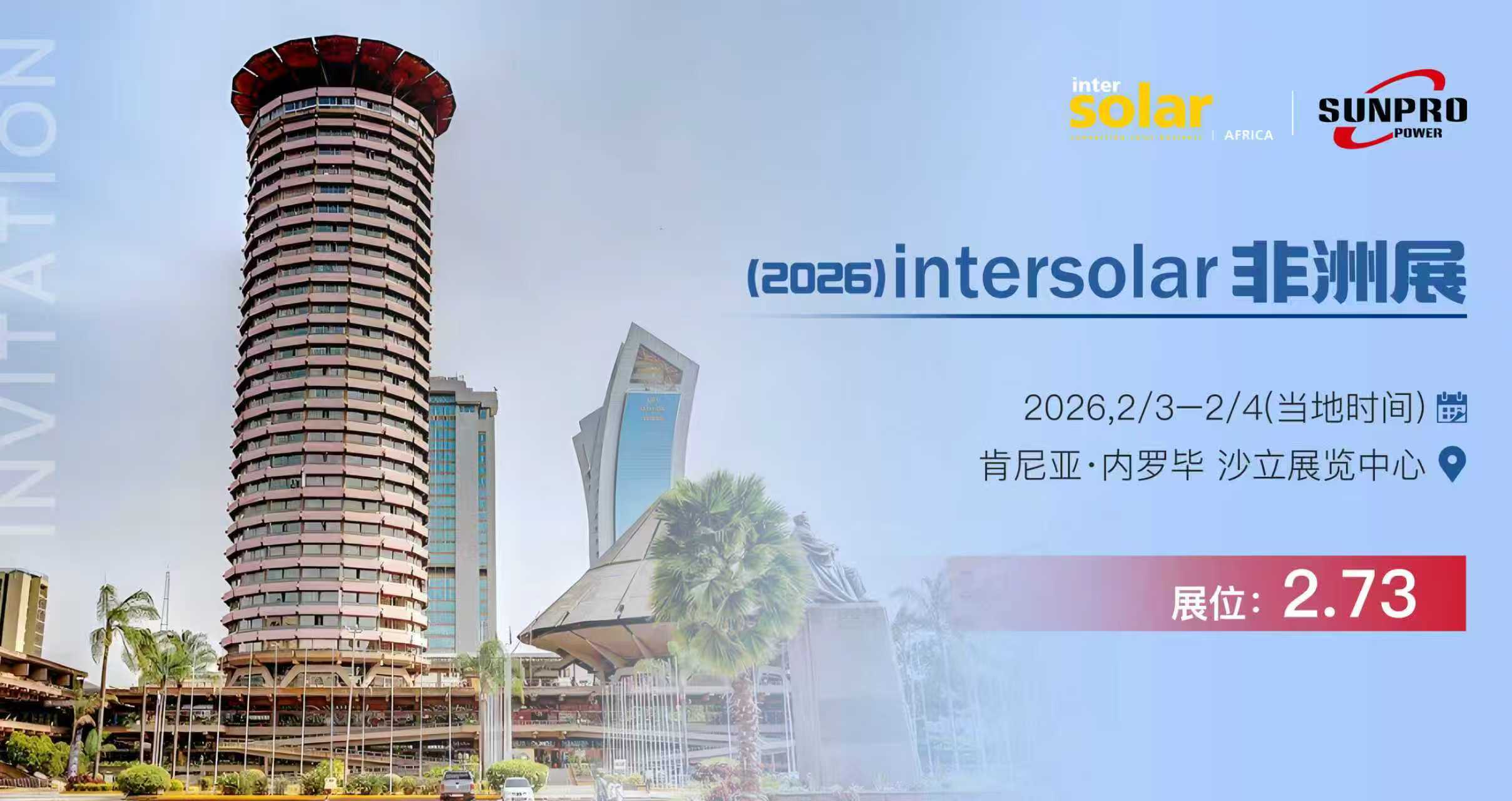 Kicking Off 2026 with a Grand Debut! Sunpro power Makes a Powerful Appearance at Intersolar Africa 2026, Illuminating Africa's Energy Future!
  Perovskite Solar Technology Achieves Major Breakthrough! Durability Challenge Conquered
  Poland's PV Target: 59.1GW by 2035, Emerging as a Key Driver of Europe's Energy Transition
  Sunpro Retains BloombergNEF Tier 1 PV Module Manufacturer Status for Q4 2025