
The main energy consumption of the subway system is air conditioner? Using it will save more than 10% of operating costs
Crowded subway should be the standard impression or the first impression of people living in big cities. Due to the continuous expansion of urbanization, it is very common for people who are far to the workplace use the subway to complete their daily commute.
However, there is a strange phenomenon. After so many people enter the subway station, which should have formed a greenhouse effect, it is never hot, and the carbon dioxide concentration is lower than that of the office. How did they do it? Let's talk about the subway station today.
40% of total energy consumption of subway transportation
- Ventilation and air conditioning system
Due to the recent high temperature, the subway station as a public facility is one of the choices for many people to avoid the summer. However, you may not know that the air conditioner of the subway station - fresh air fan is a major power consumption item that accounts for 40% of the total energy consumption of the subway transportation.


Fresh air fan of Metro
As mentioned above, the reason why the subway station can maintain a low carbon dioxide concentration is also due to the long-term operation of this system. Due to poor ventilation conditions underground, a large number of people will bring a huge amount of carbon dioxide. If gas is deposited, this can lead to poisoning events and high temperature environment. Therefore, subway stations are usually equipped with fresh air fans for cooling and ventilation.
Generally speaking, the installation scale of the fresh air fan is proportional to the area of the subway station. However, in order to ensure safety, some subway stations are usually equipped with too large ventilation and air conditioners to ensure the air intake, which also leads to high power consumption costs.
According to a survey in 2015, under the same basic conditions in all aspects, in summer, the air conditioning energy consumption of stations with larger fresh air fans will be twice as high as that of stations with standard equipment. If the air conditioning system of the subway station can reduce the energy consumption by 30%, it will reduce the operation cost of the whole subway transportation system by 12%. However, it is not easy to achieve this.
Energy saving technology without saving money?
The rail transit industry generally believes that the most difficult thing to do in terms of energy saving is the ventilation and air conditioning system, because it relies on efficient equipment and operation optimization.
On the other hand, the speed of application of new energy-saving technologies in this field is relatively slow. Enterprises often demonstrate the feasibility of a certain energy-saving technology repeatedly, mainly worrying about the cost recovery in the short and medium term. Therefore, some new technologies that "save energy but not money" will be put down.

As far as the current situation is concerned, the subway system is the key facility for urban energy consumption. In addition to the ventilation and air conditioning mentioned above, the total power consumption projects also include train traction, lighting, elevator system, etc., all of which are driven by electricity, and the long-term operation is also a large cost figure. Under the current background of emission reduction, the problem is extremely prominent.
Therefore, the formulation of emission reduction targets also forces enterprises to accelerate the speed of accepting new technologies. In recent years, some urban subways have begun to try pilot projects and decide whether to promote them on a large scale according to the results.
Garage project: photovoltaic power generation exceeds electricity consumption
In terms of rail transit, compared with traditional developed countries and regions, China's technology continues to maintain the world's leading level, and it is also the country with the longest rail facilities in the world. Therefore, the technological development in this field depends on the actual application effect in China.

In 2019, the world's top 10 urban rail transit operating mileage - the first: Shanghai
According to the report of Tianjin daily, on August 7, the project achievements of Tianjin Metro Company in energy saving and consumption reduction were published, among which the transformation effect of the vehicle base was the most direct. Tianjin Metro has installed solar panels in its Dabizhuang vehicle base.
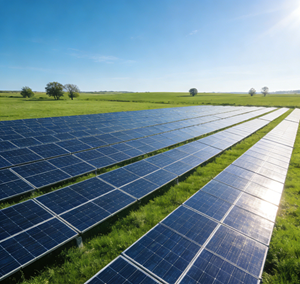
The project is divided into two phases: the first phase has an installed capacity of 2.2MW, which has been connected to the grid at the end of June; the second phase has an installed capacity of 3.6MW, which is currently under construction and is expected to be connected to the grid at the beginning of September. After all the projects are put into operation, the average daily power generation is expected to be 18400 kwh, which will exceed the daily power consumption of the vehicle base.

Construction site of phase II photovoltaic power generation at dabizhuang depot of Tianjin Metro
Source: Tianjin Jinyun new media report
Mature technology
Coincidentally, on May 18 this year, Shanghai metro also invested in similar projects at Longyang Road base, adopting roof distributed photovoltaic power station. The total installed capacity is 3.66mw, the average annual power generation of the project is about 3.4 million kwh, the average annual saving of standard coal is about 1200 tons, and the emission reduction is 3390 tons of carbon dioxide. The power generation of the project is mainly used for the trains in the base.

Roof photovoltaic power station of Longyang Road Base of Shanghai Metro
In addition, Longyang Road base is only one of the four vehicle bases of Shanghai Metro, and the remaining bases are planned to install photovoltaic. It is estimated that when the overall installation of Shanghai Metro project is completed, it can generate 170 million kwh of power in the whole life cycle, generate about 7.84 million kwh of green power in the first year, save 2188 tons of standard coal and reduce 5973 tons of carbon dioxide emissions. At the same time of large-scale emission reduction, it can use electricity independently and effectively reduce the cost of energy consumption.
Pilot test: High quality products supporting small-scale applications
There are also many similar rail system applications, such as high-speed railway stations and airport projects. At present, photovoltaic projects have entered the era of large-scale application, and the maturity and reliability of the technology can also be demonstrated by the careful application of rail transit.
If relevant transportation enterprises are still worried about the pressing energy reform and increasing energy bills, they can first test the actual effect and then consider whether to continue to invest.
Of course, high-quality products supporting small-scale applications are required to test the actual effect. Therefore, we recommend using this solar module "SPDGxxx-144M10". SUNPRO POWER has also completed the installation of large-scale transportation facilities recently, which is worth a try.

SUNPRO POWER component project
- Madrid Airport 10MW power station project in Spain
*****************************
“SPDGxxx-144M10”


A. The maximum power is 550W, and 144 pieces of M10 monocrystalline silicon cells.
B. 10-busbars design, better conduction performance, maximum efficiency up to 21.28%.
C. Double sided glass is added to block water vapor penetration, reduce the probability of PID occurrence, delay aging, improve flame retardant performance and make it easier to clean
D. Quiet operation, no need to worry about noise pollution.
E. Flexible installation, both on the ground and roof, and effective use of space.
F. No additional raw materials, no emissions, power generation for 12 hours a day.
G. Longer service life, 12-year warranty, 25 year performance guarantee.
H. Strong environmental pressure resistance, capable of withstanding 2400pa wind pressure and 5000Pa snow pressure.
I. It has won TUV, CE, ISO and other international quality certification and fire protection certification to ensure that the products are put into efficient operation.
In addition, Sunpro Power was recognized as a global tier 1 photovoltaic product supplier by BloombergNEF in 2022. Its products can participate in government project bidding according to national policies. This is very important for the bidding of public transport facilities to obtain more project opportunities.
*****************************
With the continuous research and development of new materials and the efficient combination of scientific production, the concept of "photovoltaic +" has begun to penetrate into urban facilities. As the aggregation of industry and public domain, the transportation industry is also changing at any time. The application of "photovoltaic + subway" is just a beginning. Green transportation in response to global emission reduction will become a key field in the future, and green energy will provide power and lay a good foundation for this field.
If you want more information, more products
contact us
Tel: +86 0576-80730906
Email: info@sunpropower.com
Website: sunpower.com
That's all for today's topic. Chinese friends, please go home early. Today is the hungry ghost festival. It's safe to travel. Try not to squeeze the last subway or bus.

【Disclaimer】
1/ The text used in the picture and information part of the source network, infringement deleted.
2/ The text and pictures are for readers' reference only, please refer to the actual situation.
 Radiant Gathering in São Paulo | Sunpro Power Showcases at Intersolar South America 2026
  Re‑elected Consecutively! Sunpro Power Reappears on BNEF Tier 1 List for Q3
  Sunpro Power’s PV Modules Earn Authoritative Certifications From TÜV SÜD, Robust Quality Fuels Global Market Expansion
 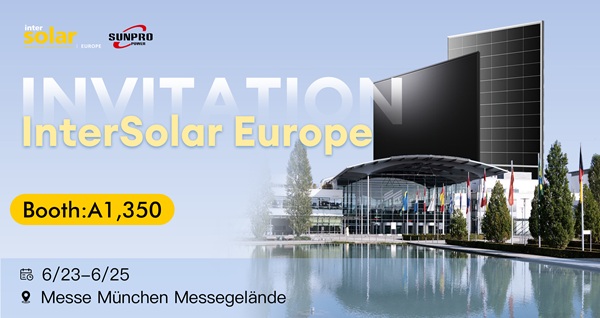 Shine Bright in Munich! Sunpro Power Showcases High-Efficiency Modules at Intersolar Europe 2026
  TÜV SÜD and Sunpro Power Sign ESG Strategic Cooperation Agreement to Empower Green Industrial & R&D Upgrading
  Powerful Lineup Debuts in Shanghai! Sunpro Power’s High-Efficiency Modules Shine at SNEC 2026
  Sunpro Power Secures Spot Again on BNEF Tier 1 List for 2026 Q2
  Hardcore Lineup Lands in Manila! Sunpro Power High-Efficiency Modules Shine at Solar & Storage Live Philippines 2026
  Hardcore Certification! Sunpro Passes TÜV Thresher Test, Reliability Receives Endorsement
  Smart Energy in Vienna! SUNPRO POWER Presents High-Efficiency Modules at Solar Solutions 2026
 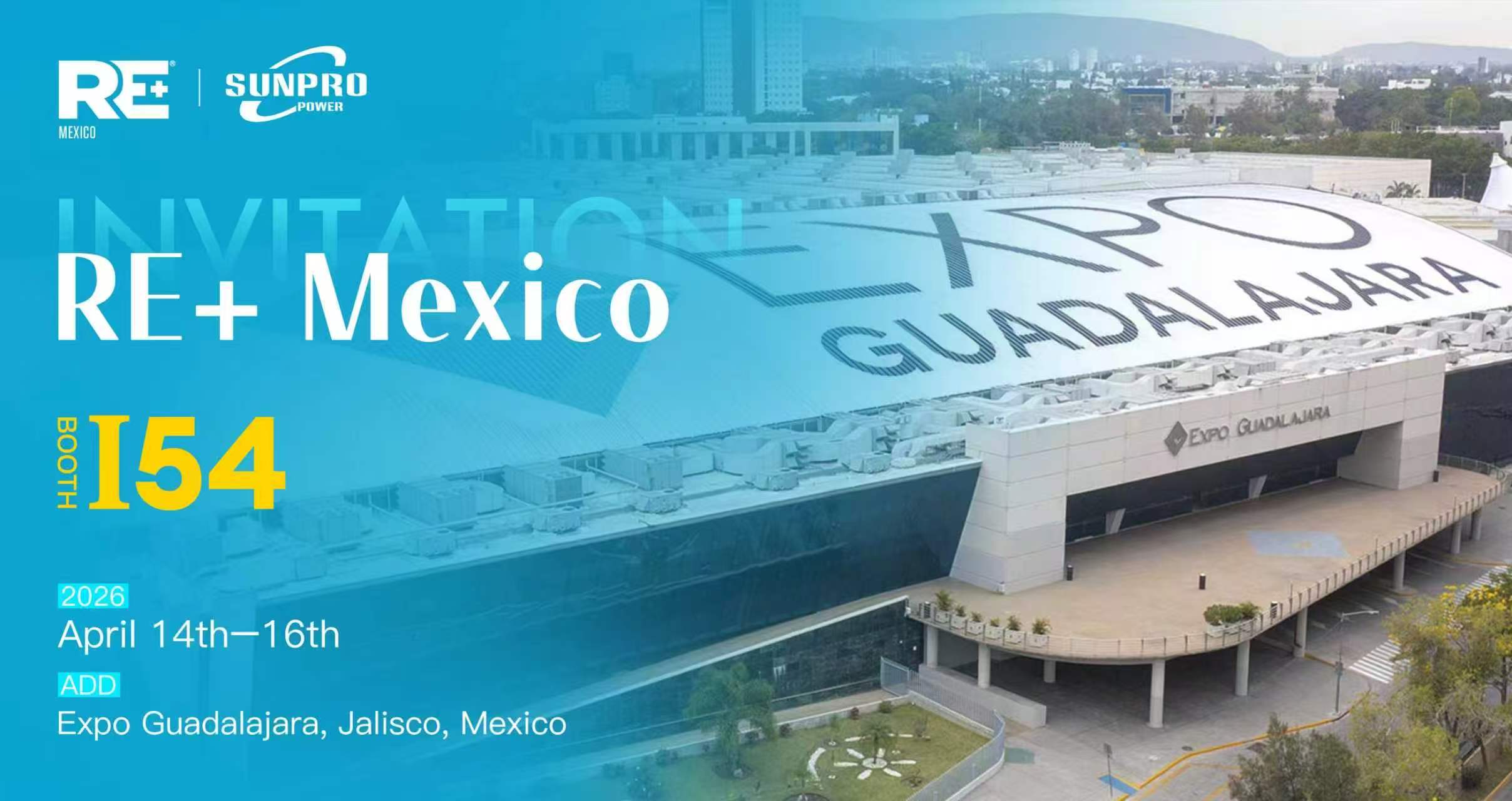 Green Energy Crosses Borders! SUNPRO POWER’s High-Efficiency Modules Shine at RE+ México 2026
 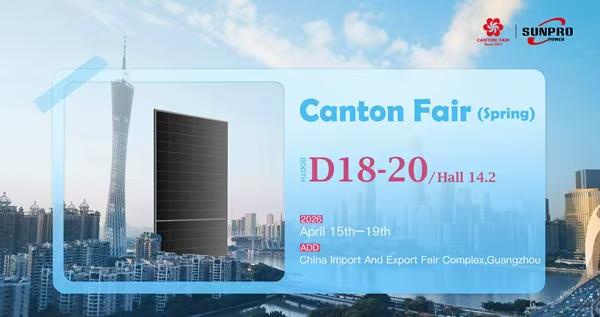 Hardcore Lineup Shines in Guangzhou! SUNPRO POWER’s High-Efficiency Modules Debut at the 139th Canton Fair
  Sunpro Earns Multiple ISO Certifications, Forging a Solid Foundation for Development with Rigorous Management
  Efficiency and Aesthetics in One: SUNPRO POWER's High-Efficiency Modules Shine at Key Energy 2026 Italy
  Major Certification! Multiple Sunpro TOPCon Modules Awarded France's PPE2 Carbon Footprint Certification, Unlocking the Green Pass to the French Market
  2026 Tier1 Q1 Ranking Announced | Sunpro Power Maintains Its Leading Position
 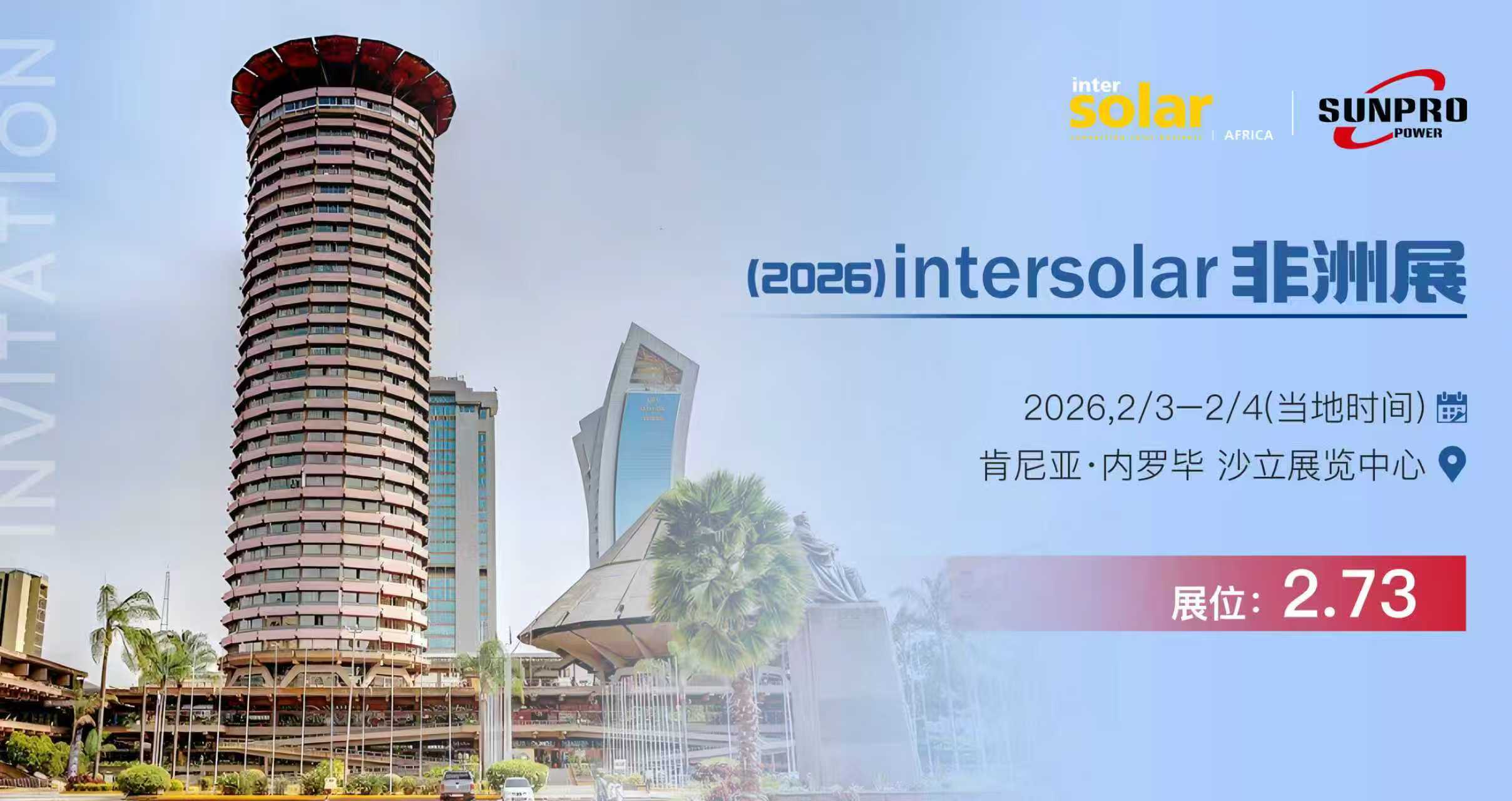 Kicking Off 2026 with a Grand Debut! Sunpro power Makes a Powerful Appearance at Intersolar Africa 2026, Illuminating Africa's Energy Future!
  Perovskite Solar Technology Achieves Major Breakthrough! Durability Challenge Conquered
  Poland's PV Target: 59.1GW by 2035, Emerging as a Key Driver of Europe's Energy Transition
  Sunpro Retains BloombergNEF Tier 1 PV Module Manufacturer Status for Q4 2025